Major brands including Starbucks, YesStyle, and Limppano are adopting refillable and reusable packaging systems to reduce single-use waste and support circular economy practices. These innovations combine environmental responsibility with consumer convenience through redesigned containers, refill formats, and sustainable alternatives.
- Starbucks Singapore removed disposable straws from condiment bars, replacing them with recyclable sip-through lids and compostable PLA alternatives available upon request
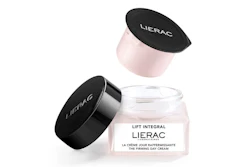
- YesStyle launched refillable skincare packaging through its Jelly Ko range, allowing customers to keep outer containers while replacing internal product refills
- Limppano introduced a 900-milliliter laundry detergent refill in flexible stand-up pouches, reducing material use and storage space compared to rigid bottles
- Refillable packaging formats reduce raw material consumption, lower transportation costs through lighter weight, and encourage repeat purchases at lower price points
- These initiatives reflect growing consumer demand for sustainable products that align business practices with environmental responsibility and circular economy principles
These innovations demonstrate significant progress in reusable packaging, contributing to waste reduction and circular economy practices. They highlight the growing trend of businesses aligning sustainability with consumer convenience, with promising adoption rates and environmental benefits.
Learn more about ThePackHub's Innovation Zone here.
Starbucks Singapore's removal of disposable straws through lid redesign and reuse systems
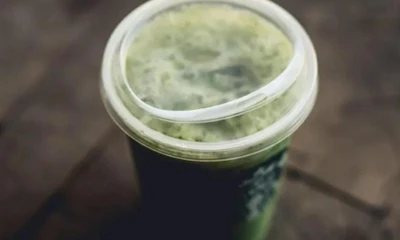
Starbucks, headquartered in Seattle, United States, has implemented a change across its Singapore operations by removing disposable straws from in-store condiment bars for iced beverages, replacing them with alternative consumption formats such as sip-through lids and reusable cups for dine-in use. The initiative forms part of the company’s broader efforts to reduce single-use packaging within its foodservice model. Instead of automatic straw provision, customers are now encouraged to consume drinks directly through redesigned lids, which are recyclable and eliminate the need for an additional component. For customers who still require straws, compostable alternatives made from crystallized polylactic acid (PLA) remain available upon request, ensuring accessibility while reducing default consumption. In addition, Starbucks Singapore has introduced reusable straws accompanied by protective covers, aiming to promote repeated use and reduce reliance on disposable formats.
 The packaging system is based on a reusable primary container paired with replaceable refill units.ThePackHub
YesStyle launches refillable packaging system to reduce material use in skincare
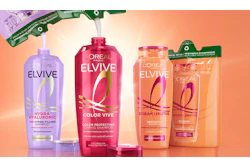
YesStyle, headquartered in Hong Kong, has introduced refillable packaging through its Jelly Ko skincare range, developed in South Korea, with a focus on reducing packaging waste and extending product lifecycle. The packaging system is based on a reusable primary container paired with replaceable refill units, allowing consumers to retain the outer pack while replenishing the internal product. This approach reduces the need for repeated production and disposal of full packaging components. The refill formats are designed to maintain compatibility with the original container, ensuring consistent sealing performance, product protection, and ease of use across multiple refill cycles. The system is applied across several product types, including creams, masks, and toners, each requiring packaging that can preserve formulation stability, particularly for moisture-sensitive or active ingredients. Structurally, such refillable formats typically involve durable outer shells combined with lightweight inner cartridges or pouches, optimized for reduced material input. The packaging design also supports standardized formats across the product range, which may streamline manufacturing and logistics.
 The pouch format is intended to optimize shelf utilization while also supporting repeat purchases through a lower-cost refill alternative compared with rigid packaging formats. ThePackHub
Limppan introduces laundry detergent refill in stand-up pouch format
Limppano, based in Rio de Janeiro, Brazil, has introduced a 900-milliliter (30.4-fluid-ounce) refill format for its ODD laundry detergent range as part of its expansion within the laundry care category. The refill is available in two variants, Relax Sense and Multi Power 5-in-1, and is packaged in a flexible stand-up pouch designed to reduce storage requirements both in retail environments and in consumers’ homes. The company states that the pouch format is intended to optimize shelf utilization while also supporting repeat purchases through a lower-cost refill alternative compared with rigid packaging formats. The launch reflects a broader investment strategy by Limppano, which recently completed an investment cycle of approximately 50 million Brazilian reais focused on expanding production capacity and developing the ODD product portfolio. The refill packaging aligns with increasing market demand for concentrated and refillable household care products that can reduce material use and improve logistics efficiency. Flexible stand-up pouches generally require less raw material than rigid plastic bottles and can offer advantages in transportation due to their lighter weight and compact shape. The 900-millilitre (30.4-fluid-ounce) format also targets consumers seeking practicality and limited storage requirements in smaller households.
Learn more about ThePackHub's Innovation Zone here.