Leading brands like Absolut Vodka, Looye Kwekers, and THAMMA Natural Products are replacing plastic and glossy packaging with recyclable paper-based solutions that reduce material use while maintaining product protection and brand identity.
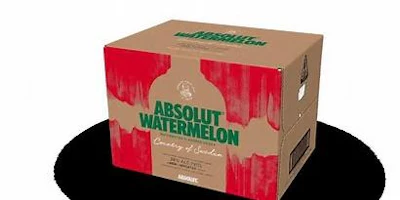
- Absolut Vodka switched to recyclable corrugated cardboard boxes through DS Smith, replacing white glossy packaging while maintaining brand recognition and protecting glass bottles during distribution.
- Looye Kwekers reduced plastic use by approximately 45% by implementing paper banding technology that bundles fresh produce while improving ventilation and reducing moisture-related spoilage.
- THAMMA Natural Products launched organic iced teas in Tetra Prisma Aseptic paper-based cartons, providing barrier protection against light and oxygen without preservatives.
- Paper-based packaging combines structural strength with lightweight composition, making it ideal for secondary packaging that integrates with established recycling streams.
- These innovations reflect growing consumer demand for sustainable, plastic-free packaging solutions that support brand differentiation and environmental responsibility across beverage and produce sectors.
These innovations highlight the significant progress being made in adopting paper-based solutions, driven by both functionality and sustainability
Learn more about ThePackHub's Innovation Zone here.
Absolut Vodka uses recyclable corrugated boxes for flavored spirits
International Paper company DS Smith, based in London, UK, has introduced a new brown box packaging format for Absolut Vodka’s flavored vodka range and additional spirits products. The fiber-based packaging uses corrugated cardboard that is fully recyclable and has been designed to protect glass bottles during distribution to retailers, outlets and direct consumers across international markets. The solution replaces earlier white glossy packaging formats for selected variants while maintaining brand recognition through the use of color coding and printed graphics that align with Absolut Vodka’s existing typography and visual identity. Different box structures have been developed to accommodate multiple flavored vodka products, including lime, citron, pear and watermelon variants. The corrugated construction has been engineered to provide cushioning and resistance to crushing during transport, handling and shipping. The move reflects a broader packaging industry trend towards fiber-based transit packaging formats that can be recycled through established paper recovery streams. Corrugated fiberboard is commonly used for secondary packaging because it combines structural strength with relatively lightweight material composition.
 The switch to paper reportedly reduced plastic use by approximately 45% while lowering total packaging weightThePackHub
Looye Kwekers' paper banding reduces material use in fresh produce packaging
Bandall, based in De Meern, Netherlands, collaborated with tomato producer Looye Kwekers, based in Naaldwijk, Netherlands, on the implementation of paper banding technology for fresh produce packaging. The packaging system replaces conventional plastic packaging elements with narrow paper bands designed to bundle products while maintaining product visibility and reducing overall material consumption. The approach reportedly reduced plastic use by approximately 45% while lowering total packaging weight. The paper bands provide sufficient surface area for branding and product communication, including the integration of QR codes and recipe information, while leaving a large proportion of the product exposed to consumers. The packaging format was introduced partly to support a premium visual presentation while also responding to increasing demand for reduced plastic packaging within the fresh produce sector. Looye Kwekers stated that the transition from plastic to paper created additional opportunities for brand differentiation and communication without fully enclosing the product. The more open packaging structure also reportedly improved ventilation around the produce, reducing issues associated with moisture accumulation and mold growth. Most components of the packaging can be disposed of within paper waste streams, simplifying post-use sorting for consumers.
 The 330 ml format is aimed at on-the-go consumption and reflects growing demand within the natural and functional beverage category for portable, ready-to-drink options.ThePackHub
THAMMA Natural Products launches iced tea in paper-based aseptic packaging
THAMMA Natural Products, a company based in Rethymno, Crete, Greece, has collaborated with Tetra Pak to introduce its range of organic iced teas in Tetra Prisma Aseptic 330 ml packaging. The range includes peach black tea, lemon black tea and matcha green tea variants, all produced using 100% natural ingredients. The packaging format has been selected to support the company’s focus on convenience, shelf stability and product protection while avoiding the use of preservatives. Tetra Prisma Aseptic cartons are designed to provide barrier protection against light, oxygen and external contamination, helping maintain flavor and product quality throughout distribution and storage. The 330 ml format is aimed at on-the-go consumption and reflects growing demand within the natural and functional beverage category for portable, ready-to-drink options. The collaboration also demonstrates the increasing use of paper-based aseptic packaging in beverage applications traditionally dominated by plastic bottles or cans. THAMMA stated that the packaging choice forms part of its strategy to reduce its environmental footprint through the use of renewable paper-based materials while maintaining operational efficiency and product integrity.
Learn more about ThePackHub's Innovation Zone here.