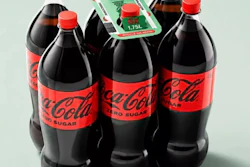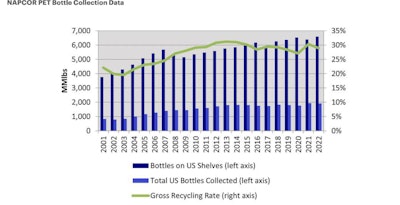
Consumer-sourced feedstock for rPET is heavily seasonal since cold beverages are more likely to be consumed during hot summers, and PET bottles are well-suited for on-the-go summer travels. Peak rPET supply occurs at the end of summer, depressing its prices. In winter, the script is flipped. Consumers tend to travel less and buy/recycle fewer cold beverages in PET bottles. This natural rhythm sets up an annual supply and demand showdown in Q1 when feedstock streams slow to a trickle, but converter need for rPET begins to ramp back up to satisfy demand for preforms for the looming summer PET boom months. According to Emily Friedman, plastics expert and senior editor at ICIS, a chemicals and energy intelligence provider, February and March are “preform season.” Demand is increasing while supply is at its tightest, so that’s when rPET prices should be highest.
“That’s a known, traditional pattern in the rPET space,” Friedman says. “But this year is interesting. We’re coming off very weak demand in 2023—many analysts venture that rPET demand was down as much as 15% in 2023—and we saw depressed prices throughout the whole year, not just at that late summer period.”