PepsiCo has scaled back its sustainable packaging targets and adjusted other sustainability goals in its PepsiCo Positive (pep+) initiative, according to a recent statement. The company acknowledges progress towards some sustainable agriculture goals, but cites “external realities” as the driving factor for slowing advancement in sustainable packaging.
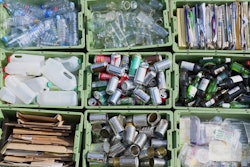
The company wasn’t specific as to what those realities are, but scarcity of PCR/PIR and food-grade recycled material is likely part of the issue due to poor U.S. recycling habits.
At the end of 2024, Coca-Cola similarly adjusted its voluntary environmental goals, extending its timeline to 2035. It’s not just Coca-Cola. Nestlé and other Consumer Packaged Goods brands are also scaling back sustainability goals.PepsiCo is now following suit.
Revised virgin plastics and rPET targets
PepsiCo has abandoned its target of cutting virgin plastic from non-renewable sources by 50% by 2030. The company says instead its focusing on reducing total tonnage of virgin plastics.
The previous aim of decreasing absolute tonnage by 20% by 2030 has also been replaced with a new goal of averaging a 2% annual reduction. The company says restrictions from other countries contribute to this change. For example, rPET beverage packaging was only approved in India in 2023 and approved for food this year. Additionally, China doesn’t allow rPET in food-grade packaging.
Other shifts in plastics-related goals include PepsiCo’s recycled content usage. The company had aimed to use 50% recycled content in its plastic packaging by 2030, but this was lowered to 40% by 2035. Recyclable, compostable, biodegradable, or reusable (RCBR) objectives were also scaled back.
PepsiCo’s target of 100% of packaging being RCBR by 2025 has been reduced to 97% by 2030 and its focus no longer includes biodegradable packaging. The updated target applies only to primary and secondary packaging in unspecified “key markets,” leaving the exact scope unclear.