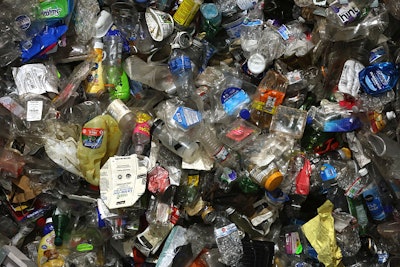
Research from Lancaster University has uncovered a widespread issue among UK households: “wishcycling,” where individuals place packaging in recycling bins without certainty of its recyclability, according to a report at phys.org. The study, conducted by the Plastic Packaging in People's Lives (PPiPL) project, found that this behavior stems from confusing product labels and varying recycling facilities across the country.
The research, which spanned 3.5 years and involved collaboration with supermarkets, businesses, charities, and waste management companies, aimed to understand the UK's attitudes towards plastic food packaging. The findings, based on interviews with 552 people and 91 organizations, reveal that while many households are environmentally conscious, the priority to reduce food waste often overshadows concerns about packaging.
Professor Maria Piacentini, Co-Principal Investigator of the PPiPL project, noted that some households avoid washing and recycling packaging due to contamination fears, particularly with raw meat or fish packets. This reluctance can lead to greater contamination in the recycling process, posing challenges for policymakers aiming to meet the UK's Plastics Pact goals.
The study also highlights that people often rely on the feel of packaging rather than examining labels to determine recyclability. Dr. Alison Stowell, another co-principal investigator, emphasized the potential benefits of standardizing bin collection services and creating uniform labeling with the On-Pack Recycling Label (OPRL) to simplify recycling.
As part of the project, researchers embedded themselves in businesses to explore plastic use in supply chains and customer demands. This led one firm to revise its supply chain specifications to reduce plastic usage. Experiments with alternative packaging revealed both challenges and the essential role of plastic in food safety and transportation.
A pilot project with Booths supermarket tested consumer reactions to packaging made from recycled plastics, dispelling concerns that imperfections would deter customers. The comprehensive reports from the PPiPL project aim to guide consumers, retailers, suppliers, and policymakers towards more effective plastic use and sustainable growth.