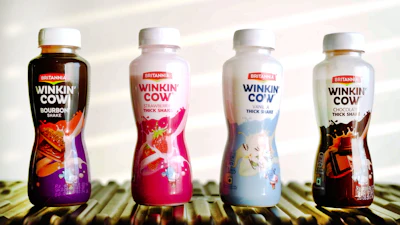
Britannia Industries’ move into aseptic PET for its Winkin’ Cow dairy drinks portfolio reflects a packaging-led decision as much as a processing one. At its greenfield facility in Ranjangaon, India, the company installed an integrated aseptic PET line built around Sidel’s Aseptic Combi Predis system to support growth in value-added dairy beverages, a category it entered in 2018.
The choice of format was tied closely to how the product is presented and consumed. According to a company spokesperson, “the shift to aseptic PET packaging elevated the multi-sensory experience of the consumer, supporting their ability to smell, see and feel their product, which features indulgent flavor profiles.” The spokesperson added that the format also supports on-the-go consumption, helping “strengthen brand appeal and further drive growth in the market.”
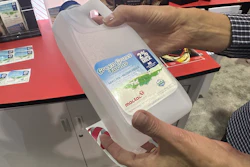
Transparent PET bottles allow the product to be visible in a way cartons do not, reinforcing the positioning of Winkin’ Cow’s thick shakes and flavored dairy drinks. The range of SKUs reflects a portfolio built around indulgence and variety, which the packaging helps communicate on shelf.
The aseptic line was specified to support multiple product types and formats, with flexibility built in from the outset. The system is designed to handle flavored milk, juices, and other value-added beverages while maintaining consistent product quality and extended shelf life. “Operational flexibility” was a key requirement, according to the company, including the ability to respond to regional preferences and future product introductions.
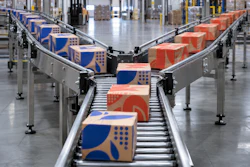
At the core of the installation is Sidel’s Aseptic Combi Predis, which integrates preform sterilization, blow molding, filling, and capping into a single system. The line operates at 24,000 bottles per hour. The Predis dry preform decontamination process injects hydrogen peroxide into the preform prior to heating, using the existing oven stage to activate the sterilant and achieve decontamination while limiting the size of the sterile zone.
Because the project was executed at a new facility, the aseptic line was incorporated early in the plant design. “The aseptic PET line was integrated from the earliest design stage of Britannia’s greenfield facility,” the spokesperson said, noting that this approach allowed the team to optimize layout and material flow. Cleanroom zoning was established to maintain aseptic conditions, while utilities including HVAC, compressed air, water, and power were planned to support continuous operation.
The company pointed to coordination across engineering, project, and operations teams as a factor in addressing early challenges related to space optimization and utility routing. Those issues were resolved during the design phase, allowing installation and commissioning to proceed without disruption.
Implementation took approximately 24 months from project initiation to full commissioning, a timeline extended by COVID-19-related supply chain disruptions. Shortages of electronic components affected progress, but the project continued through close coordination among partners. A company spokesperson described “strong communication, quick response times, and a single point of contact” as important to maintaining progress during that period.
The line has been in regular production since December 2022. Aseptic processing enables the company to distribute products through ambient channels while maintaining product stability, an important consideration given India’s varied climate and distribution conditions.
Sidel supported bottle and label design, packaging validation, and shelf-life studies alongside the line installation. The packaging work and line development were carried out in parallel as the aseptic PET format was introduced.
Ultimately, the line supports expansion of the Winkin’ Cow portfolio and allows products to be distributed through ambient temperature channels.