Create a free Packaging World account to continue reading
CAA Proposes 2027 California EPR Fees as CEO Fielkow Steps Down
It’s been a busy week for CAA. Its revised California EPR plan, built on post-June cost data and May producer reports, went to CalRecycle this week, and would count as approved even if conditions are attached. A day later, CAA said CEO Jeff Fielkow is moving on.
CAA’s revised California plan includes proposed 2027 producer fees built on cost data and producer reports gathered after the June draft. Even if CalRecycle approves it with conditions, the plan would be considered approved while CAA addresses them.
Adobe Stock 785238458
Even if CalRecycle attaches conditions to Circular Action Alliance’s (CAA) revised California program plan, which was submitted earlier this week, the plan would be treated as approved while CAA works through them, the producer responsibility organization (PRO) told Packaging World.
“Importantly, a conditionally approved plan is considered approved during that period,” says Shane Buckingham, CAA’s chief of staff.
Buckingham did not say how a conditional approval would affect the Jan. 1, 2027 start date. But it seemsthe program could still begin on schedule even if CalRecycle doesn’t approve the plan outright, only approving conditionally.
CAA submitted the plan earlier this week, on Oct. 13. Stakeholders say it's a key milestone in implementing SB 54, the state’s Plastic Pollution Prevention and Packaging Producer Responsibility Act, which calls for implementation by Jan. 1, 2027. CalRecycle can approve, disapprove, or conditionally approve it. Under state regulations, conditional approval would come with specific conditions for CAA to address and a structured process for showing they have been met.
The plan includes CAA’s proposed producer fee rates for 2027. They are the first fee figures brand owners selling into California will be able to plan around.
“The rates reflect CAA’s current good-faith estimates and will not become operative unless and until the program plan is approved by CalRecycle,” Buckingham says.
According to Buckingham, each producer’s source reduction progress will be measured against its 2023 baseline, and the plan includes bonuses for producers that reduce plastic use. At launch, eco-modulation will take two forms, a set of passive eco-modulation factors and a Source Reduction Incentive Mechanism. He advised brand owners to review the plan’s source reduction and eco-modulation chapters now, along with their own data collection and reporting processes.
Buckingham says that the budget chapter grew substantially from the June draft. Commenters had pressed for more detail as quickly as possible, even as CAA had always planned to expand it once better cost data arrived. Much of that data came after the June forecasts, including results from the California Recycling and Reuse System Optimization Project (CARRSOP) and producer supply reports submitted in May 2026. Other revisions expand reimbursement eligibility, clarify how Responsible End Markets will be verified, add source reduction incentives, and refine recycling performance strategies.
The revised plan followed a 60-day public comment period that drew more than 2,400 comments from local jurisdictions, trade associations, NGOs, tribal representatives, producers, and the state’s Packaging Producer Responsibility Advisory Board.
Leadership changeJeff Fielkow, who joined CAA when it was still a working group, will step down as CEO in December to lead a global company based in Hong Kong. Chief Strategy Officer Jeff Meyers will serve as interim CEO.
The day after the submission, CAA announced that CEO Jeff Fielkow will step down. The board has appointed Jeff Meyers, CAA’s chief strategy officer, as interim CEO while it completes a CEO succession process.
In a LinkedIn post, Fielkow said he will leave in December and return to Asia to lead a global company based in Hong Kong. He did not name the company, saying he would share more later this year. Fielkow joined CAA when it was still a working group. He said it now has more than 200 employees and supports thousands of producers across multiple states.
“With this foundation in place, I believe the time is right to transition leadership as CAA enters its next phase of growth and execution,” he wrote.
CAA says its mission, strategic direction, and implementation commitments remain unchanged.
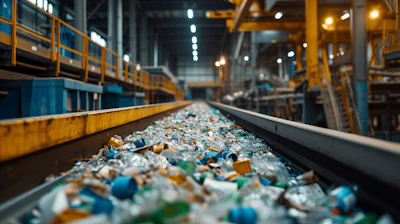
 Jeff Fielkow, who joined CAA when it was still a working group, will step down as CEO in December to lead a global company based in Hong Kong. Chief Strategy Officer Jeff Meyers will serve as interim CEO.
 Jeff Fielkow, who joined CAA when it was still a working group, will step down as CEO in December to lead a global company based in Hong Kong. Chief Strategy Officer Jeff Meyers will serve as interim CEO.