These initiatives highlight the ongoing efforts to innovate within packaging and recycling, helping industries to reduce their environmental impact and move closer to a sustainable, circular economy.
Learn more about ThePackHub's Innovation Zone here.
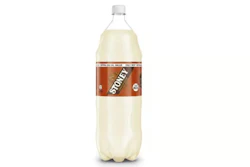
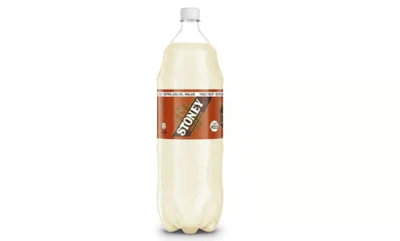
Coca-Cola's clear PET bottles replace colored packaging
Coca-Cola in Johannesburg, South Africa, has started transitioning its Stoney ginger beer packaging from traditional brown plastic bottles to clear polyethylene terephthalate (PET) bottles as part of a broader packaging redesign aimed at improving recyclability and supporting South Africa’s circular economy. The phased rollout began in June 2026 with the 2.25-litre (76.1 fl oz) bottle, while additional Stoney pack sizes will gradually be converted to clear PET over time. The packaging update is intended to improve compatibility with the country’s existing waste collection, sorting and recycling infrastructure by making the bottles easier to identify and process. Clear PET is generally more suitable for bottle-to-bottle recycling than colored PET because it can be recycled into a wider range of food-grade packaging applications, increasing the potential value of recovered material. To maintain brand recognition, Coca-Cola has retained Stoney’s distinctive labels and colored closures across all variants, while only the bottle material has changed. The redesign does not involve any changes to the beverage itself, with the company confirming that the product formulation remains unchanged. The initiative builds on Coca-Cola’s previous transition of Sprite from green PET to clear PET in South Africa, which was also introduced to improve material recovery and produce clearer recycled PET suitable for new packaging.
 For bottles sold in Western Europe, the company introduced packaging containing up to 25% post-consumer recycled plastic.ThePackHub
Head & Shoulders recyclable HDPE shampoo bottles with recycled plastic content
Head & Shoulders, a Procter & Gamble brand headquartered in Cincinnati, Ohio, United States, has outlined its ongoing approach to improving the sustainability of its shampoo packaging by increasing recyclability and incorporating recycled plastic into its HDPE (high-density polyethylene) bottles. The company states that all of its HDPE shampoo bottles are recyclable, subject to the availability of local recycling infrastructure, and has been working to improve packaging through material selection, bottle design and collaboration with recycling partners. For bottles sold in Western Europe, the company introduced packaging containing up to 25% post-consumer recycled plastic, reducing the reliance on virgin resin while maintaining the performance characteristics required for shampoo packaging. One of the most notable developments within this program is the introduction of a recyclable shampoo bottle manufactured with 25% recycled beach plastic. The material was sourced through partnerships with waste management and recycling organizations, alongside non-governmental organizations and volunteers that collected discarded plastic from more than 200 beaches across Europe.
Arla's recycled plastic cup with removable cardboard sleeve
 The plastic cup is made from at least 95% recycled plastic and features a removable, glue-free cardboard sleeve to improve recyclability.ThePackHub
Arla, headquartered in Denmark, has introduced redesigned packaging for its 200 g (7.1 oz) Arla Protein product, featuring a plastic cup made from at least 95% recycled plastic and a removable, glue-free cardboard sleeve to improve recyclability. The new packaging has been launched in Sweden, Denmark and the United Kingdom, with a rollout planned for the Netherlands. The redesign aims to reduce the use of virgin fossil-based plastic by approximately 300 tonnes (331 US tons) annually while making it easier for consumers and recycling facilities to separate the packaging materials. Instead of printing graphics directly onto the plastic cup, the product information and branding are carried on a cardboard sleeve that can be removed before disposal. The sleeve is intended to be sorted with paper recycling, while the cup is disposed of in the plastic recycling stream. If consumers do not remove the sleeve, it has been designed without adhesive so that it can separate from the plastic during waste handling and recycling processes, increasing the likelihood that both materials can be recovered. By keeping the plastic cup free from printed decoration, the design also helps maintain cleaner recycled plastic streams.
Learn more about ThePackHub's Innovation Zone here.