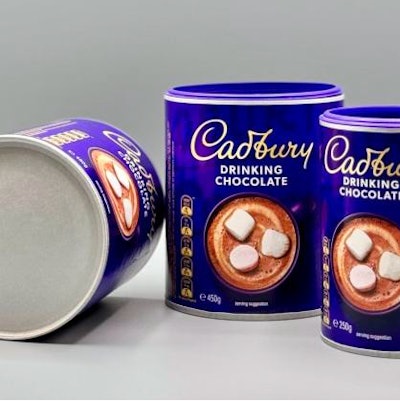
Major consumer brands including Mondelez, Nestlé, and Blue Heron are replacing plastic packaging with innovative paper-based solutions that are recyclable, compostable, or biodegradable, significantly reducing plastic waste while maintaining product functionality.
- Mondelez switched Cadbury Drinking Chocolate to Sonoco's EnviroCan with paper bottoms, containing over 60% recycled cardboard and fully recyclable in Australian curbside bins
- Nestlé Dessert eliminated plastic overwrap by replacing it with paper stickers, reducing annual plastic use by 34 tons
- Blue Heron Botanicals created fully compostable balm packaging from recycled and FSC-certified paper with plant-based wax lining, decomposing in 2-3 weeks
- These innovations align with growing consumer demand for sustainability and support circular economy packaging goals
- Blue Heron received the 2025 One Step Closer Packaging Innovation Award for their materials innovation
These innovations highlight the significant progress being made in adopting paper-based solutions, driven by both functionality and sustainability.
Learn more about ThePackHub's Innovation Zone here.
Mondelez International's Paper-bottom Can Boosts Recyclability for Drinking Chocolate
Mondelez International is updating the packaging of Cadbury Drinking Chocolate in Australia by switching to Sonoco’s EnviroCan, which features a paper bottom instead of the traditional metal-bottom paper can. The new design incorporates over 60% recycled cardboard and is fully recyclable in Australian curbside bins, enhancing its sustainability credentials. This transition aligns with Mondelez International’s broader strategy to improve recyclability and promote circular packaging, reflecting a response to the demands of environmentally conscious consumers and retailers. The EnviroCan also includes a QR code linking to the SnackingRight platform, offering consumers recycling guidance and details on the company’s sustainability efforts. The shift was developed through a collaborative process with Sonoco, involving design, testing, and implementation to ensure the packaging meets practical and environmental standards. This move supports Mondelez International’s sustainability targets while maintaining the functionality required for a powdered chocolate product. The initiative underscores a focused effort to adapt packaging practices in specific markets like Australia, where curbside recycling infrastructure supports such innovations.
 This packaging revision is expected to result in an annual reduction of 34 tons of plastic based on 2024 product volumes.Image provided by ThePackHub.
Nestlé Dessert Replaces Plastic Overwrap with Paper Stickers for Chocolate Packaging
Nestlé Dessert, a brand under Nestlé France, has replaced the plastic overwrap previously used to bundle its baking chocolate bars with a new paper-based solution. The former bundling method used oriented polypropylene (OPP) film, a type of plastic commonly employed for packaging due to its durability and clarity. In its place, the brand now applies two paper stickers to secure multi-bar bundles, eliminating the need for overwrapping. This packaging revision is expected to result in an annual reduction of 34 tons of plastic based on 2024 product volumes. The paper stickers fulfill the same structural function in-store and during transport, ensuring that the new format meets operational and logistical requirements.  The lip balm tubes are crafted entirely from post-consumer waste recycled paper.Image provided by ThePackHub.
Blue Heron Botanicals Develops Paper-based Packaging for Balms
Blue Heron Botanicals, based in the United States, has developed packaging for their lip and herbal balms that is both biodegradable and home compostable. The lip balm tubes are crafted entirely from post-consumer waste recycled paper, while the larger salve tubes consist of 60% Forest Stewardship Council (FSC) certified paper and 40% recycled paper, featuring a plant-based wax lining to ensure oil resistance. These materials allow the packaging to decompose within two to three weeks in a home composting environment or be recycled alongside standard cardboard waste. The company has been recognized for this innovation, receiving the 2025 One Step Closer Packaging Innovation Award in the ‘Innovation in Materials (Brands)’ category. In addition to their packaging efforts, Blue Heron Botanicals donates a portion of proceeds from every product sold to initiatives aimed at protecting sea turtles and reducing plastic pollution on nesting beaches.
Learn more about ThePackHub's Innovation Zone here.