Three innovative companies are replacing traditional plastic packaging with compostable alternatives made from plant-based materials, agricultural waste, and microorganism-derived cellulose. These solutions reduce plastic waste while maintaining functionality for events, food storage, and industrial applications.
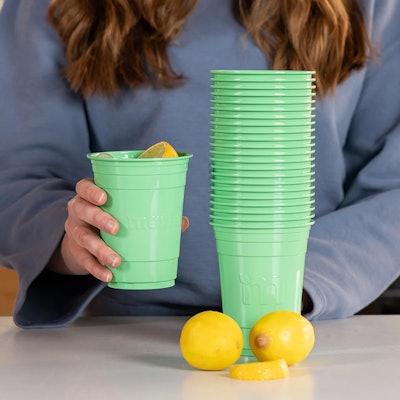
- Matter compostable cups decompose within 12 months, are made from plant-based materials, and are free from BPA, gluten, and nuts.
- Elliott Echo fruit pads extend shelf life by up to 12 hours, absorb 500 ml of water per square meter, and aim to replace 1,280 metric tons of plastic annually.
- Treeless Pack cellulose is produced using bacteria fed organic waste, eliminating deforestation and reducing energy-intensive wood pulp production.
- All three innovations meet international recycling and composting standards while creating economic benefits for farmers and sustainable industries.
These examples underscore the high level of research and investment directed towards bio-based packaging solutions. These innovations represent significant strides towards reducing plastic waste and advancing the use of renewable, biodegradable materials in mainstream packaging applications.
Learn more about ThePackHub's Innovation Zone here.
Compostable cups for sustainable celebrations
Matter, a company based in Minnesota, has introduced compostable party cups as a sustainable alternative to single-use plastic items. Designed to appeal to younger generations, the cups offer a biodegradable solution for gatherings and events. Made from plant-based materials, the cups are marketed as durable yet lightweight and free from BPA, gluten, and nuts. Available in red and seafoam green, the product decomposes within 12 months when properly disposed of, returning valuable nutrients to the soil. This innovation combines the convenience of disposable items with environmental benefits, addressing the growing demand for sustainable party supplies and eco-conscious event planning.
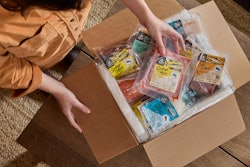
 Echo pads aim to replace 1,280 metric tons of plastic or fiber annually.Image courtesy of Elliott Absorbent Products
Compostable fruit pads tackle food and packaging waste
Elliott Absorbent Products has introduced Echo fruit pads, a 100% plastic-free and compostable packaging solution designed to extend the shelf life of berries and reduce food and packaging waste. Leveraging Tensei’s Second Harvest technology, the pads are crafted from agricultural residues such as straw, seeds, and perennial grasses. They are fully recyclable and biodegradable, meeting EU recycling standards. The pads’ embossed surface cushions berries, minimising spoilage and improving absorbency for fungal water droplets. Tests have shown that Echo pads extend shelf life by up to 12 hours and can absorb approximately 500 ml of water per square meter without perforations. Available in black-blue for easy infrared recycling, Echo pads aim to replace 1,280 metric tones of plastic or fibre annually. By using crop waste, Echo pads provide a sustainable alternative to traditional materials while creating a new income stream for farmers.
 The cellulose produced can be used to manufacture paper, packaging materials, and composites for the construction industry.Image provided by ThePackHub
Cellulose produced from microorganisms instead of wood
Treeless Pack, a startup based at ETH Zurich, has developed an innovative process for producing cellulose using microorganisms instead of wood. By feeding bacteria with nutrients derived from organic waste, the company creates natural fibers that can replace traditional wood-based cellulose. This approach addresses the environmental issues associated with conventional cellulose production, which is energy-intensive and contributes to deforestation. Treeless Pack’s process is scalable, utilizing automatable vertical farming technology that ensures energy efficiency and resource conservation. The cellulose produced can be used to manufacture paper, packaging materials, and even composites for the construction industry, offering a sustainable alternative for industries reliant on wood pulp.
Learn more about ThePackHub's Innovation Zone here.