Kick off 2026 with a competitive edge at PACK EXPO East. Register now!
Get a jump on your 2026 goals at PACK EXPO East. Put projects in motion, accelerate timelines and solve challenges—all in one trip to Philadelphia.

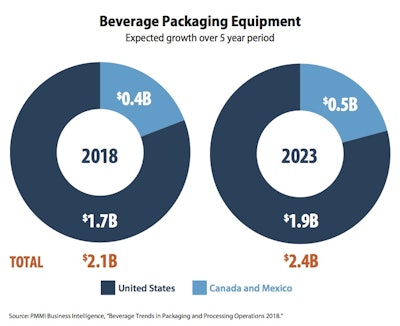
Beverage manufacturers will be investing in new beverage packaging equipment to meet expected growth of container demand

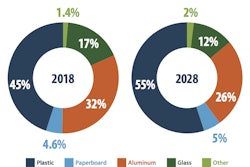
A new study by PMMI Business Intelligence reports that ready-to-drink (RTD) beverage types are expected to grow at about 40% or more over the 2018-to-2028 period for all packaging materials.

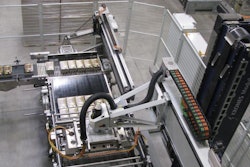
Pfw 12041 Alignment 73 Pmg

RTDs include tea and other non-alcoholic beverages including coffee, energy drinks, non-dairy alternatives, and flavored and enhanced waters.

According to “Beverage Trends in Packaging and Processing Operations 2018,” demand is growing for teas made from actual tea leaves. Co-packers are scrambling to acquire the processing equipment to meet volume expectations and are investing in new facilities around the country.

Wine is also expected to have strong overall growth. The growth in plastic and paperboard is largely due to the increasing sales of single serve plastic containers, and higher acceptance of pouch and bag-in-a-box formats.

In food and beverage marketing, the fast-growing trend toward “no additives or preservatives” has put some real teeth into the natural beverage movement. Beverage companies often need to adjust their processing lines, such as adding agitation equipment and adjusting filling lines to adapt to the different behaviors of additive-free beverages.

For more details about beverage trends and growth, download the report’s FREE Executive Summary, or the full report here.

Discover new solutions for Food and Beverage Processing at ProFood Live! June 20-21 in Chicago, with discussions about trends in food processing operations; addressing today’s crucial challenges in manufacturing; and much more!

Source: PMMI Business Intelligence, “Beverage Trends in Packaging and Processing Operations 2018.

RTDs include tea and other non-alcoholic beverages including coffee, energy drinks, non-dairy alternatives, and flavored and enhanced waters.

According to “Beverage Trends in Packaging and Processing Operations 2018,” demand is growing for teas made from actual tea leaves. Co-packers are scrambling to acquire the processing equipment to meet volume expectations and are investing in new facilities around the country.

Wine is also expected to have strong overall growth. The growth in plastic and paperboard is largely due to the increasing sales of single serve plastic containers, and higher acceptance of pouch and bag-in-a-box formats.

In food and beverage marketing, the fast-growing trend toward “no additives or preservatives” has put some real teeth into the natural beverage movement. Beverage companies often need to adjust their processing lines, such as adding agitation equipment and adjusting filling lines to adapt to the different behaviors of additive-free beverages.

For more details about beverage trends and growth, download the report’s FREE Executive Summary, or the full report here.

Discover new solutions for Food and Beverage Processing at ProFood Live! June 20-21 in Chicago, with discussions about trends in food processing operations; addressing today’s crucial challenges in manufacturing; and much more!

Source: PMMI Business Intelligence, “Beverage Trends in Packaging and Processing Operations 2018.

List: Digitalization Companies From PACK EXPO
Looking for CPG-focused digital transformation solutions? Download our editor-curated list from PACK EXPO featuring top companies offering warehouse management, ERP, digital twin, and MES software with supply chain visibility and analytics capabilities—all tailored specifically for CPG operations.
Download Now
List: Digitalization Companies From PACK EXPO
Annual Outlook Report: Workforce
Hiring remains a major challenge in packaging, with 78% struggling to fill unskilled roles and 84% lacking experienced workers. As automation grows, companies must rethink hiring and training. Download the full report for key insights.
Download Now
Annual Outlook Report: Workforce