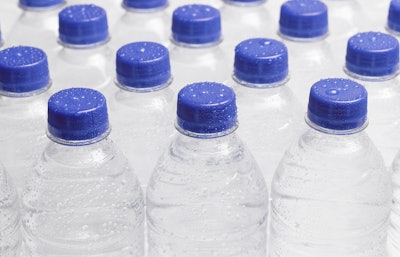
A recent report by the Associated Press alleges that the French government covered up the illegal treatment of mineral water by Nestlé, including the Perrier brand.
Nestlé used treatments to avoid chemical and bacterial contaminations in their water marketed as “natural mineral water” and “spring water,” which is prohibited under French and EU regulations. Under the EU Natural Mineral Water Directive, natural mineral water must be bottled at the source and remain free from chemical treatments.
Nestlé admitted to using prohibited treatments and paid a $2.2 million fine to avoid legal action.
The controversy highlights the need for U.S. beverage companies to ensure transparent sourcing and compliance with FDA definitions of “mineral” and “spring” water. In the U.S., such waters must remain chemically unaltered. If treated—through distillation, reverse osmosis, ozonation, or absolute 1-micron filtration—they must be labeled ‘purified water,’ per FDA regulations.
Inspections at foreign manufacturing facilities
In a May 6 notice, the FDA announced plans to increase unannounced inspections at foreign manufacturing facilities that produce foods intended for American consumers. The agency says their goal is to ensure foreign companies are held to the same regulatory scrutiny as domestic companies.
What CPGs should know about water treatment
Since most manufacturers use water coming from a municipality in their beverage production, it’s important to understand treatment methods.
As previously reported by ProFood World, most facilities will have some kind of physical-chemical separation process. Filtration options are varied, each with their own pros and cons, meaning most beverage companies use a multi-barrier treatment system.
For example, Nanofiltration, which removes water hardness and alkalinity, pairs well with Reverse Osmosis which doesn’t allow the passage of salt and minerals.