The problem with unsaleables grew out of the IML process itself. Unlike heat-transfer labeling, which is a post-mold process, IML involves the subtle displacement of plastic around the label when the bottle is blown. This, says Dunlap, can make the bottle susceptible to drop-failure, which can lead to bottle damage during distribution and, consequently, unsaleables at retail.
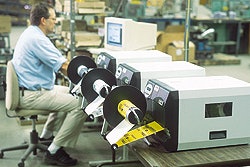
Graham Packaging (York, PA) remains the 1-gal Hi-C bottle supplier. To accommodate the decorating change, Graham installed Model 700PLC heat-transfer decorating machines from Di-Na-Cal® Label Group (Cincinnati, OH) at several plants, says Dunlap. Di-Na-Cal also supplies the labels, which are gravure-printed in up to eight colors.
Di-Na-Cal claims that advantages gained in the switch to heat-transfer labeling include faster extrusion blow molding, reduced bottle weight, and more accurate label placement. Dunlap, however, is primarily focused on consumer response and the bottom line.
“To the consumer,” says Dunlap, “there is no discernible difference” between the old and new bottles. As for the cost savings involved, Dunlap acknowledges a savings but wouldn’t quantify it. (PR)