Global brands are adopting advanced recycling technologies like enzymatic and chemical recycling to source recycled plastic and meet 2025 sustainability commitments. The advanced recycling market is projected to grow from $270 million in 2022 to over $9 billion by 2031.
- CPG companies need 4 million tons of recycled plastic by 2025, but only 500,000 tons were available in 2022
- Advanced recycling market projected to reach $9 billion by 2031, growing at 32% annually from 2022 levels
- L'Occitane created 100% enzymatically recycled shower bottles reducing CO2 emissions by 57% versus virgin plastic
- Cadbury uses chemically recycled content via pyrolysis for 500 million chocolate bar wraps in Australia
- PepsiCo's Sunbites bags contain 50% chemically recycled content, demonstrating supply chain collaboration for circular packaging
As the global consumer packaged goods industry nears its self-imposed sustainable packaging deadline of 2025, it’s clear the majority of companies will not meet their goals. For most, their commitments entail a significant reduction in the use of virgin plastic and an increase in the use of PCR. Therein lies the problem: The amount of PCR needed by these companies far outstrips what’s available. According to a recent report from ICIS, in 2022, 500,000 tons of PCR was sourced; to meet CPG’s 2025 goals, 4 million tons will be needed.
The advent of advanced recycling technologies, however, has opened up the potential for abundant new sources of PCR plastic. As reported by Research and Markets, the global market for advanced recycling technologies is projected to exceed $9 billion by 2031, up from $270 million in 2022, representing a 32% increase every year.
Following are examples of CPGs that are embracing advanced recycling as a source for PCR plastic as a means to meet their internal and external sustainable packaging commitments.
L’Occitane Cosmetics Bottle Uses 100% Enzymatically Recycled Content
European companies collaborate to produce a fully circular, 100% rPET shower oil bottle made from enzymatically recycled materials that reduce CO2 emissions by 57% versus virgin PET.
Cadbury Uses Certified-Circular BOPP for Chocolate Bars
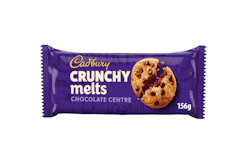
Cadbury Australia uses chemically recycled content produced through pyrolysis for 500 million of its chocolate bar wraps.
 | Read related articles from this curated collection, “Advanced Recycling Content: What You Should Know” |
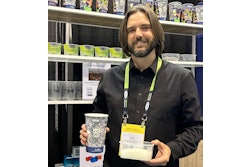
Souvenir Stadium Cups Use 50% rPP from Purification
Churchill Container tests the viability of incorporating polypropylene recycled through a purification process into its reusable souvenir cups for stadiums and entertainment venues.
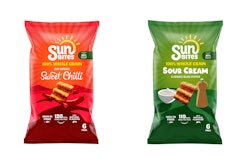
PepsiCo’s Sunbites Bag Uses 50% Chemically Recycled Content
Available in the U.K. and Ireland, the bag is the result of a collaboration of multiple supply chain partners and helps PepsiCo close the loop between plastic and recycled content. PW