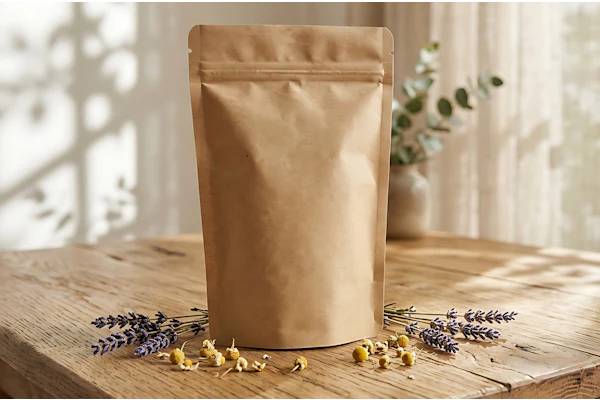
With paperization continuing to gain attention as an alternative to plastic packaging, six of the world’s largest consumer goods companies are joining forces to tackle one of its tougher applications: flexible packaging.
Colgate-Palmolive, Mars, Nestlé, PepsiCo, Procter & Gamble, and Unilever are founding members of the new PaperFlex Consortium. The group is being convened by the Ellen MacArthur Foundation (EMF) and powered by (RE)SET, an organization that works with companies and public-sector groups on environmental strategy and implementation and has experience running collaborative R&D consortia.
 The PaperFlex Consortium will focus on markets where flexible plastic packaging is widely used and where collection and recycling systems are limited.The PaperFlex Consortium
Explains Sander Defruyt, strategy lead for plastics at the Ellen MacArthur Foundation, “Responsible paper-based flexible packaging solutions don’t yet exist at the performance, scale, and cost required. This consortium signals strong demand for them and real ambition from six consumer goods companies to help scale them. We’re inviting other FMCG companies, innovators, suppliers, and investors to get involved now. The faster we develop such solutions, the sooner they reach the markets that need them most.”
The PaperFlex Consortium will focus on markets where flexible plastic packaging is widely used and where collection and recycling systems are limited. Members aim to develop paper-based alternatives that can be recycled as collection systems improve while also being biodegradable if they unintentionally end up in the environment.
Over the next few years, members plan to shape, fund, and conduct collaborative trials involving biodegradable coatings and other technologies. Work will also address product protection, shelf life, consumer usability, and the ability of paper-based materials to perform on manufacturing lines. Each member will continue to make its own packaging decisions independently.
The consortium builds on an EMF report published earlier this year on paper-based flexible packaging in markets with high leakage rates. The report identifies responsibly designed paper alternatives as one part of a broader approach to small-format flexible plastic waste and establishes six design criteria covering responsible sourcing and production, technical and economic performance, consumer needs, local recyclability, chemical safety and persistent plastic pollution, and compatibility with a broader, socially inclusive circular economy strategy.
Commenting on PaperFlex, Allison Lin, global VP of healthy planet and chief circularity officer at Mars, says, “The consortium challenges the traditional mindset of innovating on our own, demonstrating that partnership—structured with legal oversight, clear guardrails on permissible topics, and an independent third-party convenor—can accelerate the development of more sustainable packaging in ways that no single company could achieve alone.” PW