Occurring along with the FMI Show in Chicago, the 2005 United Produce Show included a workshop called Marketing to a Junk Food Nation—Can We Really Double Produce Consumption to Meet Government’s New Dietary Recommendations? presented by the United Fresh Fruit & Vegetable Assn.
Keira Franz, director of legislative affairs for Washington, DC-based United Fresh Fruit & Vegetable Assn. tells PW, “Packaging is a key way to convey the new dietary guideline information that says Americans should essentially double their consumption to nine to 13 servings a day of fresh fruits and vegetables.”
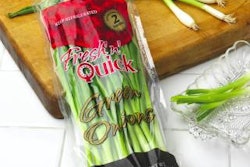
Franz believes the key packaging trend for fresh fruits and vegetables is in “making it more convenient and easier for consumers to eat on the go, or to make it easier for consumers to use at home after purchasing.” She says, “We’re seeing kids exposed to fun and creative packaging ideas at school. Packaging can let kids know that eating fruits and vegetables can be fun and healthy, be it a pack with carrots and dip or apple slices and a fat-free caramel dip. That makes it a little more enticing for students and makes them more willing to try it. When kids become exposed to something they like, it definitely can become a driver for parents to purchase the packaged product and provide it to their kids.” —Jim Butschli