HP Hood LLC chairman, president, and CEO John A. Kaneb, commented, “We are pleased that our affiliation with the NFL allowed us to receive approval in just over two months.”
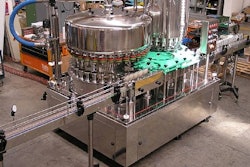
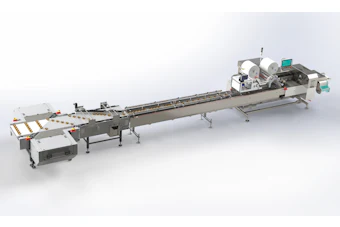
Manufactured by Shibuya Kogyo Co. Ltd. of Japan, the aseptic and extended shelf-life process filling system fills low-acid liquid products into 14- to 16-oz PET containers supplied by Amcor and HDPE containers from Graham, topped with Alcoa’s oxygen-barrier caps. The container interiors are sterilized with hydrogen peroxide before filling, and the unrefrigerated product shelf life is up to 105 days.
HP Hood vp of operations Scott Blake says, “The benefits and efficiencies of nonrefrigerated distribution were key to our decision to install the new extended shelf-life filling system. And, in addition to using the technology for our own brand, we are open to exploring contract filling opportunities for other brands in noncompetitive, nondairy segments.” (For more on the HP Hood system, see p. 45.) —Judy Rice
For a list of suppliers mentioned, see: packworld.com/go/w162