Tilt Beauty designed and certified cosmetics packaging specifically for people with arthritis and chronic pain, featuring ergonomic components and magnetic caps that require minimal opening force.
- All Tilt Beauty products earned the Arthritis Foundation's Ease of Use Certification, meeting strict accessibility standards
- The brand features patented ergonomic designs including wider grips, soft-touch materials, and sculpted silhouettes for comfortable hand positioning
- Magnetic caps are engineered to require minimal opening force while remaining secure in handbags
- Founder Aerin Glazer spent five years developing the product line with multiple prototype rounds and focus group testing
- All products are refillable, adding sustainability to the accessibility-focused design philosophy
When Aerin Glazer set out to launch a beauty brand, she wasn’t thinking first about color palettes or marketing campaigns. She was thinking about torque, grip, and opening force.
“Growing up with psoriatic arthritis, I found many existing beauty products difficult to use,” says Glazer, founder of Tilt Beauty. “I struggled to open and hold traditional packaging, and often the formulas were irritating on my sensitive skin. I knew I couldn’t be the only one having this experience. That’s when I started thinking - there has to be a better solution.”
Rather than treating accessibility as a feature add-on, Glazer built Tilt Beauty around a packaging premise: conventional cosmetic components weren’t designed for hands experiencing pain, stiffness, or limited dexterity.
Designing the entire user journey
“We approached accessibility from as many angles as possible,” Glazer says. “We wanted to ensure that our customer’s journey from the outer carton, to opening the product itself, to the actual application, was as seamless as possible. I wanted to create products that keep the joy in beauty and allow people with arthritis, chronic pain, or limited mobility to truly feel included in the beauty community.”
All products in Tilt Beauty’s collection — including the Grip Stick Hydrating Lip Treatment, The Easy Way Effortless Lip Liner, The Easy Way Satin Hydrating Lipstick, and Lashscape Mascara — have earned the Arthritis Foundation’s Ease of Use Certification.
“It was incredibly important to me that Tilt Beauty achieved the Ease of Use Certification as a way to demonstrate our genuine commitment to accessibility and inclusion,” Glazer says. “Working with the Arthritis Foundation meant meeting strict criteria that hold the brand to a high standard and ensure our products are truly easy to use for individuals with chronic pain or arthritis. As a member of the arthritis community myself, I felt this was something we had to do.” Tilt Beauty’s The Easy Way Effortless Lip Liner replaces the traditional slim pencil format with a wider midsection and slightly heavier center to improve grip stability and application control. The component features a proprietary soft-touch material designed to enhance friction and reduce joint strain for users with arthritis, chronic pain, or limited dexterity. The liner is also refillable, adding another layer of engineering complexity to the ergonomic design.https://tiltbeauty.com/
Engineering for grip, force, and control
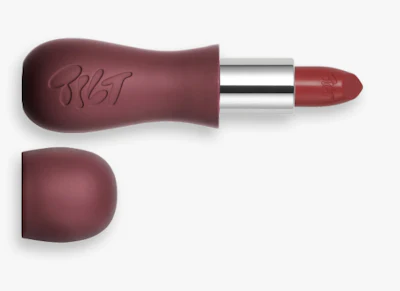
With its sculpted silhouette, Tilt’s lipstick component departs from the industry’s traditional slim cylinder.
“With our lipstick and lip treatment, we wanted to ensure the product could sit comfortably and securely in someone’s hand,” Glazer says. “It features a patented ergonomic design that is wider at the ends, allowing it to rest more naturally in the hand. The extra-wide grip also makes it easier to hold and control.”
“The material of the component is just as important as the shape,” she continues. “We used a proprietary soft, squishable material that enhances grip and feels gentler on the joints.”
Opening force was engineered carefully as well. “They are strong enough that they won’t open up in your handbag, yet gentle enough to allow the user to remove the lid without significant effort or using one hand,” Glazer says of the magnetic caps.
The lip liner also rethinks the thin-pencil norm. “Our The Easy Way Effortless Lip Liner features a wider grip in the middle and has a slightly heavier feel in the middle to support more controlled application,” Glazer says. “It also uses our proprietary soft-touch material for added comfort, and it’s refillable as well.”
“From ideation to launch, we spent close to five years working on Tilt Beauty,” Glazer says. “There were many rounds of prototypes and refinements before we were ready to launch in 2025… And because everything we make is also refillable, this added another level of complexity to the process.”
Certification as a design discipline
“The Ease of Use Certification evaluates eight key design elements using both laboratory testing and human factors evaluations,” says Deb Gokie, VP of consumer health and ease of use with the Arthritis Foundation. “These criteria are applied based on the specific product or package being assessed and may include opening force, grip, twisting, readability, and overall usability.”
“Yes, we have quantitative benchmarks that brands must meet,” Gokie adds. “These benchmarks are recommended in the Ease of Use Design Guides… and they are available for free download.”
“Tilt Beauty stood out for its innovation and intentional focus on accessibility from the very beginning,” Gokie says. “The Tilt team engaged with us early in the design process, sought our recommendations, and conducted focus groups to evaluate designs before formal testing — which ultimately led to a very successful outcome.”
From Accessibility to Market Expectation
“Ease of Use has evolved into a broader consumer experience expectation rather than a niche trend,” Gokie says. “Consumers feel the impact immediately when a product is difficult to use. Brands that prioritize convenience and usability build trust and loyalty.”
In Tilt’s first year, Glazer says the response has been encouraging. “We have built an incredible dedicated and engaged community. It demonstrates that there is a market for accessible beauty and I hope it helps to encourage more brands to explore accessibility improvements for their products.”
Ultimately, Gokie notes, “Inclusive design isn’t just about accommodation — it’s about creating better packaging overall. When brands design for people living with arthritis, chronic pain, or limited mobility, they improve usability and quality of life for everyone.”
Note: Packaging World asked Tilt Beauty about suppliers and material details, but the brand chose not to reveal them.