The Boston-based Tellus Institute of Resource and Environmental Strategies, which conducted the study, noted, however, that such a low-cost system does not exist today, and that the costs of a traditional bottle bill system outweigh the benefits. The EPA was quick to announce that the study in no way represented agency policy and was done as an "academic exercise" because of a perceived high level of interest in the subject. Annual efforts by bottle bill proponents to enact national forced deposit legislation have failed and are given even less of a chance in the new anti-regulatory atmosphere of the now Republican-controlled Congress. Industry associations and bottle bill advocates reviewed a summary of the study, which has not yet been released. The National Soft Drink Association, which has led the fight against bottle bills, said yet another study would not change its findings and position that bottle deposit laws are expensive and inefficient as recycling and solid waste solutions. Ten states currently have forced deposits, but no new bottle bills have passed in more than a decade. Opponents, including some environmentalists, argue that forced deposits harm municipal solid waste management programs by eliminating one of the most lucrative elements of the recycling stream. The least-cost system described in the study is a hybrid of conventional bottle bill programs and the California system that includes state pickup of curbside returnable bottles and compensation to local recycling programs.
Revamped Bottle Bill Could Be Worth Cost, Study Says
A new study on the costs and benefits of a national bottle bill conducted for the Environmental Protection Agency (EPA) concluded that the social benefits of deposit legislation would slightly outweigh the costs-provided a least-cost system were adopted.
Jan 31, 1995




Machinery Basics




Sponsor Content
Your liquid filling supplier shortlist starts here
30+ suppliers across sachets, pouches, bag-in-box, and stick packs. Free, no search required.
Read More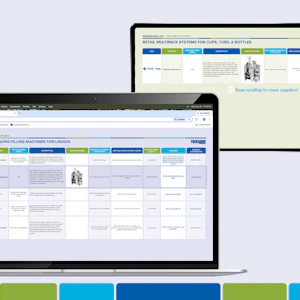
Retail multipack suppliers, all in one place
25+ vetted systems for cups, tubs, and bottles — shrink, paperboard, banding, clip, and more. Free download.
Read More