See What’s Possible in Packaging & Processing @ PACK EXPO International
See packaging & processing solutions from 2,600 exhibitors and gain insights from 150+ free educational sessions at PACK EXPO International.
REGISTER NOW & SAVE

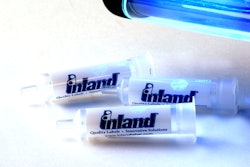
Inland Label: Roll-fed injection in-mold-labeled syringe

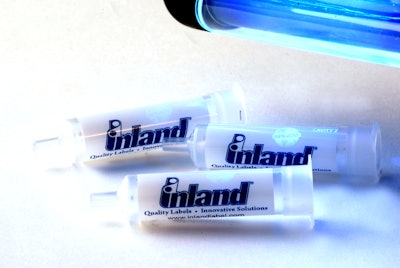
Inland Label, in collaboration with CBW Automation, Mold Masters, Tech Mold, PolyOne, and Milacron, has developed a roll-fed injection in-mold-labeled syringe enhanced with brand security measures.

Pw 44475 Inland Iml Syringes Glow Hr4c

In comparison to direct screen printing and pressure-sensitive labels, injection in-mold labels can often provide the best protection. The small diameter of the syringe requires thin gauge substrates, down to 45 to 50 micron, making roll-fed IML the most effective and efficient labeling process.  The success of this application opens the door of opportunity for similar product designs that were not possible with thicker, traditional cut-and-stack IML. 
Inland Label enhanced the roll-fed IML product with added security features. Three different levels of security—overt, covert, and forensic--can be incorporated within the roll-fed IML syringe, providing an array of options to authenticate a brand.  Earlier this year, the roll-fed IML syringe was recognized for its innovative design, winning an award for emerging technologies. 


Fill out the form below to request more information about Inland Label: Roll-fed injection in-mold-labeled syringe
Need help with your packaging project?
We’ve done the legwork to identify and vet experienced packaging and processing consultants you can contact directly for your next project. Decades of combined experience in packaging line engineering, machinery selection, package and materials development, and food processing operations.
See your advisor options now.
Need help with your packaging project?
Co-packers: the competitive gap is widening
Brands want more than low bids. See what automation, services, and sustainability mean for CM/CPs in 2026.
Read More
Co-packers: the competitive gap is widening