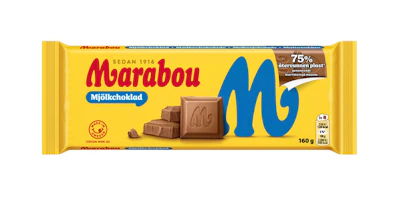
Mondelēz International has developed a chocolate bar wrapper for its Marabou brand that uses 75% chemically recycled plastic, achieved through a partnership with LyondellBasell, Amcor, and other companies in the circular packaging supply chain.
- Mondelēz's Marabou wrapper contains 75% recycled plastic content, with the polymer component certified at 100% recycled through ISCC PLUS mass-balance verification
- Chemical recycling process converts post-consumer mixed plastic waste into new polymer feedstock, providing an alternative to mechanical recycling for flexible plastics
- Source One Plastics processes 70,000 metric tons annually of difficult-to-recycle plastic with a water-free method that reduces energy consumption by up to 30%
- LyondellBasell's CirculenRevive polymer meets the same food-contact safety standards and specifications as virgin resin with potentially 50% lower carbon footprint.
Mondelēz International is using chemical recycling to incorporate recycled plastic into another chocolate-bar wrapper. The latest application is a flexible film wrapper sourced from 75% recycled content for Marabou, a chocolate brand sold primarily in Europe. It follows Mondelēz’s early 2024 rollout of certified-circular BOPP for 500 million Cadbury Dairy Milk family blocks, or bars, in Australia, developed with Amcor and ExxonMobil’s Exxtend advanced recycling process.
The Marabou project brings together companies across the circular packaging chain. Source One Plastics processes post-consumer mixed plastic waste into agglomerate suitable for chemical recycling. LyondellBasell (LYB) supplies the CirculenRevive PP resin, Taghleef Industries produces the BOPP base film, and Amcor converts the film into the finished wrapper for Mondelēz.
Seventy-five percent of the wrapper is made using CirculenRevive polymers that carry 100% recycled content attributed through an ISCC PLUS-certified mass-balance approach. The 100% figure applies to the polymer, while 75% applies to the complete wrapper. The remaining 25% includes inks, adhesives, and other non-plastic elements that are not part of the certified polymer content.
Under the mass-balance system, recycled feedstock enters LYB’s production network alongside fossil-based feedstock, and the certified recycled share is allocated to designated polymer output. “Because recycled-content attribution is managed through an ISCC PLUS-certified mass balance approach, no claim is made that specific waste inputs are physically traced to specific polymer outputs,” explains LYB Brand Owner Manager Stijn Effting.
 The Marabou project brings together nearly the full circular packaging chain, from post-consumer collection and sorting to waste preparation, recycled-content PP resin, base-film production, converting, and the finished chocolate wrapper.LyondellBasell
That accounting system determines how recycled content is attributed to the wrapper. The physical process begins earlier, at Source One Plastics. “Before chemical recycling, the mixed plastic waste undergoes advanced sorting and a highly efficient water-free pre-treatment process,” Effting says. Source One removes metals, PVC, PET, polyamides, and other non-target materials before agglomerating the remaining plastic.
An LYB and 23 Oaks Investments joint venture, Source One opened its plant in February 2024 in Eicklingen, Germany and can process 70,000 metric tons of difficult-to-recycle post-consumer plastic per year. Its dry-processing method is designed to reduce energy consumption by up to 30% compared with conventional recycling technologies.
Once sorted and agglomerated, the material is ready for chemical recycling, which converts it into feedstock for new polymer production. For mixed and flexible plastics that can be difficult to return to food-contact packaging through mechanical recycling, the process provides another route into high-quality applications. The recycled feedstock replaces some fossil-based raw material used to produce new plastic.
Food-packaging performance and safety remain central to the approach. LYB says CirculenRevive is produced to the same recipe and specifications as the corresponding virgin resin grade and carries the same technical and food-contact suitability information. The company did not provide details of migration testing conducted specifically for the Marabou wrapper.
The chemically recycled material also gives hard-to-recycle waste another outlet and can reduce carbon emissions compared with virgin plastic. Effting says LYB lifecycle studies indicate that CirculenRevive made in Europe with third-party recycled feedstock can have a lower carbon footprint than fossil-based alternatives when end-of-life waste management is included. For CirculenRevive made with feedstock from MoReTec, LYB’s proprietary catalytic chemical recycling process, the company estimates a carbon footprint at least 50% lower than fossil-based naphtha.
LYB currently obtains the pyrolysis oil used to produce CirculenRevive from third-party suppliers. Longer term, it plans to use feedstock from MoReTec-1, the first commercial-scale plant based on the company’s technology, to supply polymers for Marabou packaging. Now under construction in Wesseling, Germany, the plant is designed to produce 50,000 metric tons of feedstock annually, with production scheduled to ramp up in 2027. LYB anticipates that Source One will serve as a primary source of prepared plastic-waste feedstock.
Packaging World reached out to Mondelēz for comments, but the company was unable to respond by press time. PW