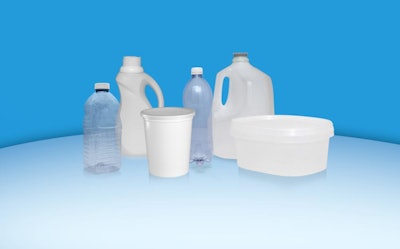
Increasing the supply and enhancing the quality of the plastics recycling stream are two primary goals of an updated resource guide unveiled this week by The Association of Plastic Recyclers. The new APR Design® Guide for Plastics Recyclability outlines detailed steps for packaging and design engineers to consider the implications of new products or containers in the recycling process.
“The APR Design Guide for Plastics Recyclability is the most comprehensive and user-friendly resource outlining the plastics recycling industry’s recommendations in the marketplace today,” says Scott Saunders, GM of KW Plastics, Recycling Division and Chairman of APR. “The content has been updated to more accurately reflect today’s North American plastics recycling infrastructure.”
The goal of the guide is to have packaging that is designed to be compatible with the recycling infrastructure. “One of the biggest challenges facing plastic recyclers is containers that come through the stream that may have a negative impact on recycling,” says Steve Alexander, APR President.“APR firmly believes that companies want to design packaging that is recyclable and sustainable. Both recyclers and product manufacturers often do not realize the implications of new products, until they have been brought to market, made it through the collection process, and contaminate the recycling stream.”
The APR Design Guide is now more user friendly, aligned with APR test protocols, and provides a variety of additional resources. It specifically addresses plastic packaging, but the principles can be applied to all potentially recycled plastic items. It is organized by individual resin categories, which are then divided into design elements such as color, dimensions, labels, inks, and adhesives.
The APR can provide these resources directly to packaging professionals through the APR Design Guide forPlastics Recyclability Training Program. Each session is customized to meet the specific needs of each company through pre-training conference calls and questionnaires. Training typically addresses the plastics recycling process, design for recycling principles, case studies based on specific packaging, and additional resources.
“As the ‘Voice of Plastics Recycling®,’ APR strives to solve industry challenges and communicate the value of post-consumer plastic resin,” says John Standish, APR Technical Director. “If products are designed with recyclability in mind, it allows the plastics recycling industry to help consumer brand companies meet their sustainability goals, while boosting supply and enhancing the quality of the plastics recycling stream.”