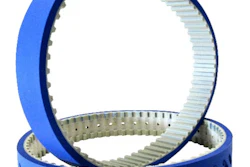
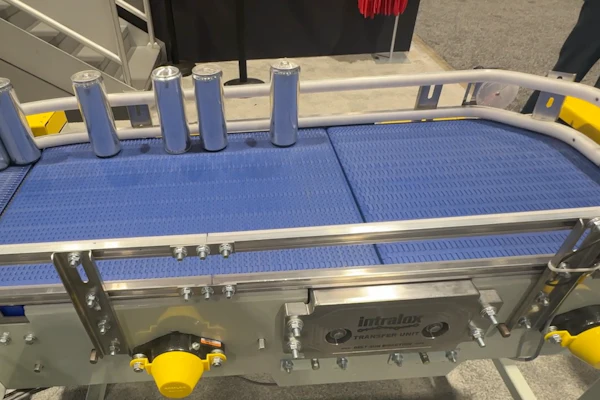
For decades, transport inside packaging machines followed a predictable path. Products moved along mechanically fixed conveyors, indexed by cams, chains, belts, or screws. As servo and stepper technology matured, those conveyors became more precise and programmable, but the underlying architecture remained unchanged. Products still advanced along a fixed path, driven as a group rather than individually.
Linear track and planar motion emerged in response to design pressures that stepper- and servo-driven conveyors could no longer cleanly absorb. Understanding those pressures, and how each architecture addresses them, provides a practical basis for deciding when linear track or planar motion is the right foundation for a new machine design.